Love this? Save it for later!
Share the inspiration with your friends
“Three summers ago, while I was visiting my aunt in a sleepy beach town, I found myself waking up early to the sound of waves and the scent of freshly baked bread wafting from her tiny kitchen. Honestly, I wasn’t expecting much — store-bought bread usually does the trick for me. But that morning, she handed me a thick slice of soft homemade white sandwich bread, still warm and fluffy, with butter melting into its tender crumb. It wasn’t fancy, just simple bread, but that moment stuck with me.
You know that feeling when a simple flavor transports you somewhere? That loaf reminded me that some recipes, especially homemade bread, are about more than just feeding hunger—they’re about slow mornings, sunshine streaming through kitchen windows, and the kind of comfort that only fresh bread can bring. I tried to recreate that softness and warmth back in my own kitchen, and after a few messy attempts (including one time I forgot to set the timer and nearly burnt the crust), I finally nailed the recipe.
Whether you’re an early riser or a late bruncher, this soft homemade white sandwich bread is perfect for summer mornings. It’s tender, slightly sweet, and so easy to make that it quickly became my go-to for everything from classic PB&Js to simple avocado toast. Maybe you’ve been there too—searching for that perfect sandwich bread that’s soft enough to please the kids but sturdy enough for your favorite fillings. Let me tell you, this recipe stays with you, just like that summer morning did for me.”
Why You’ll Love This Recipe
After baking this soft homemade white sandwich bread dozens of times, I can confidently say it’s a recipe that holds its own in any kitchen. Here’s why:
- Quick & Easy: You can have fresh bread in about 3 hours from start to finish, making it perfect for those laid-back summer mornings or last-minute brunch plans.
- Simple Ingredients: No need to hunt down fancy flours or additives — just basic pantry staples like all-purpose flour, yeast, and milk.
- Perfect for Summer Mornings: Light, soft, and slightly sweet, it pairs wonderfully with everything from jam to eggs or just good ol’ butter.
- Crowd-Pleaser: Family-approved and friend-tested, it’s soft enough for kids but still holds up for hearty sandwiches.
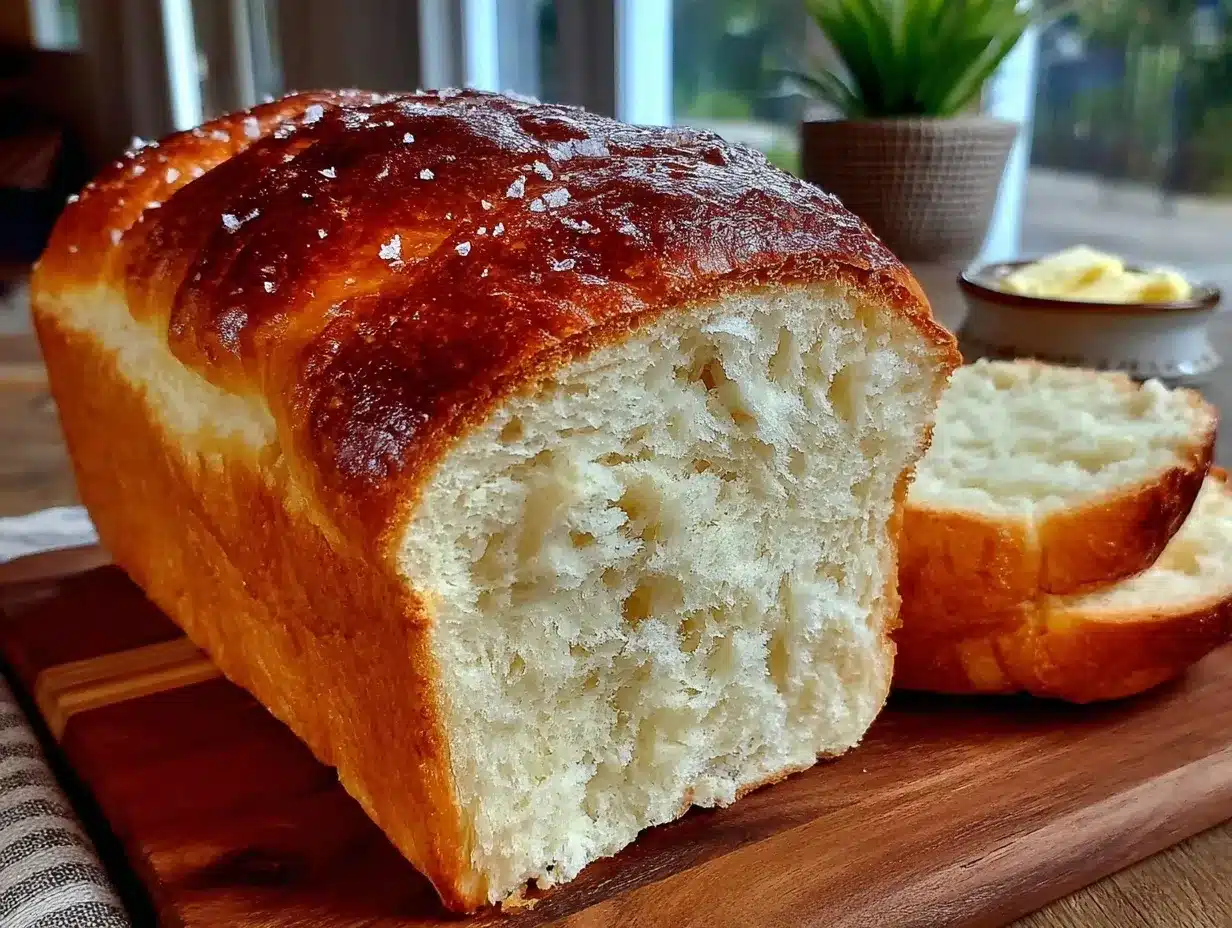
- Unbelievably Delicious: The crumb is pillow-soft with a golden crust that’s just the right balance between chewy and tender.
What makes this recipe different? It’s the little touches, like warming the milk before mixing to feed the yeast just right, and a gentle kneading method that keeps the bread incredibly tender. Plus, I use a splash of honey to add a mild sweetness that’s not overpowering but makes every bite feel a bit special.
This isn’t just bread—it’s a recipe that invites you to slow down and savor simple moments. If you’ve ever had store-bought sandwich bread that felt dry or crumbly, this will change your mind. It’s comfort food with soul, perfect for impressing guests or just treating yourself on a quiet morning.
Ingredients You Will Need
This recipe uses simple, wholesome ingredients to deliver bold flavor and satisfying texture without the fuss. Most of these are pantry staples you probably already have, and substitutions are easy if needed.
- All-purpose flour: 4 cups (500 g) – I recommend King Arthur for consistent results.
- Active dry yeast: 2 ¼ teaspoons (one packet) – ensure it’s fresh for a good rise.
- Warm whole milk: 1 ½ cups (360 ml), about 110°F (43°C) – warming helps activate the yeast; you can use dairy-free milk like oat milk if preferred.
- Granulated sugar: 3 tablespoons (38 g) – adds a touch of sweetness and feeds the yeast.
- Unsalted butter: 3 tablespoons (42 g), softened – adds richness and softness.
- Salt: 1 ½ teaspoons (9 g) – balances flavor.
- Egg: 1 large, room temperature – enriches the dough and improves texture.
Optional:
- Honey: 1 tablespoon (21 g) – can replace sugar for a natural sweetness and tender crumb.
- Milk powder: 2 tablespoons (optional) – enhances softness if you have it on hand.
For gluten-free adaptations, swapping all-purpose flour with a blend designed for bread baking works well, but results will vary slightly.
Equipment Needed
- Large mixing bowl: For combining ingredients comfortably.
- Stand mixer with dough hook (optional): Speeds up kneading, but hand-kneading works perfectly fine.
- Loaf pan: Standard 9×5-inch (23×13 cm) – I use a non-stick metal one, but glass pans are fine too.
- Kitchen thermometer: Handy to check milk temperature for yeast activation.
- Pastry brush: For brushing melted butter on the crust – you can use a clean spoon as a substitute.
- Clean kitchen towel or plastic wrap: To cover dough during rising.
Pro tip: If you don’t have a stand mixer, I recommend using a silicone mat for kneading to keep your counters clean. Plus, a good dough scraper helps a lot when handling sticky dough.
Preparation Method
- Activate the yeast: In your large mixing bowl, combine the warm milk (110°F/43°C) with the sugar and active dry yeast. Stir gently and let it sit for 5-10 minutes until foamy and bubbly. If it doesn’t foam, your yeast might be old or the milk too hot/cold.
- Add wet ingredients: Beat in the egg and softened butter into the yeast mixture until evenly combined. This creates a rich base for your dough.
- Mix dry ingredients: In a separate bowl, whisk together the all-purpose flour, salt, and milk powder (if using). Gradually add the dry mix to the wet ingredients, stirring with a wooden spoon or dough hook attached to your stand mixer.
- Knead the dough: If using a mixer, knead on medium speed for about 8 minutes until smooth and elastic. By hand, turn the dough onto a lightly floured surface and knead for 10-12 minutes. The dough should feel soft but not sticky. If it sticks to your fingers, sprinkle a tiny bit more flour, but be careful not to add too much or the bread will be dense.
- First rise: Shape the dough into a ball and place it in a lightly greased bowl. Cover with a damp kitchen towel or plastic wrap. Let it rise in a warm, draft-free spot for 1 to 1.5 hours, or until doubled in size. A cozy corner near a sunny window works great.
- Shape the loaf: Punch down the risen dough gently to release air. Transfer it to a floured surface and shape it into a rectangle roughly the length of your loaf pan. Roll it up tightly, pinch the seams closed, and tuck the ends under to form a neat loaf.
- Second rise: Place the shaped dough seam-side down into the greased loaf pan. Cover loosely and let rise again for 45-60 minutes until puffy and almost doubled.
- Preheat oven: While the dough is rising, preheat your oven to 350°F (175°C).
- Bake: Bake the loaf for 30-35 minutes until golden brown on top. If you tap the bottom of the loaf, it should sound hollow. If the crust browns too quickly, tent with foil after 20 minutes.
- Butter glaze: Immediately brush the hot loaf with melted butter to keep the crust soft and add shine.
- Cool: Let the bread cool in the pan for 10 minutes before transferring it to a wire rack. Resist the urge to slice it right away—cooling fully helps set the crumb.
Tip: If your kitchen is cool, place the dough in the oven with just the light on to maintain warmth during rising. I once rushed this step and ended up with a denser loaf, so patience really pays off here.
Cooking Tips & Techniques
Soft homemade white sandwich bread can sometimes feel tricky, but a few tips will make your baking smoother and results consistent.
- Watch the milk temperature: Too hot and you kill the yeast; too cold and it won’t activate. Aim for about 110°F (43°C) — warm to the touch but not scalding.
- Kneading matters: Proper kneading develops gluten, giving the bread structure and softness. Don’t rush this step, and if kneading by hand, rest your wrists every few minutes.
- Don’t over-flour: It’s tempting to add extra flour if the dough feels sticky, but this can make your bread dry and tough. Use just enough to keep it manageable.
- Rising environment: Dough loves warmth and humidity. If your kitchen is cold, a little trick I use is placing the dough bowl inside a larger bowl filled with warm water (not touching the dough) and covering it with a towel.
- Test for doneness: Besides color and the hollow tap, an instant-read thermometer should register about 190°F (88°C) inside the loaf when fully baked.
- Butter right out of the oven: Brushing with butter keeps the crust soft and adds flavor. It’s a simple step that feels luxurious.
Honestly, the first time I tried skipping the second rise, I ended up with a loaf that was more like a dense cake. Letting the dough rest twice really makes a difference, so trust the process.
Variations & Adaptations
This soft homemade white sandwich bread recipe is pretty flexible. Here are some ways I’ve changed it up over time:
- Whole Wheat Blend: Swap half of the all-purpose flour with whole wheat flour for a nuttier flavor and more fiber. You’ll want to add an extra tablespoon of water or milk to keep it moist.
- Dairy-Free Version: Use almond or oat milk instead of dairy milk, and replace butter with a neutral oil like vegetable or melted coconut oil. The texture remains soft and tender.
- Herb-Infused: For a savory twist, knead in 1 tablespoon of finely chopped fresh rosemary or thyme. Great with sandwiches or toasting alongside eggs.
- Gluten-Free: Use a gluten-free all-purpose blend designed for baking. Add an extra egg for structure and reduce the rising time slightly.
- Honey Swap: Replace sugar with equal parts honey for a slightly different sweetness and a softer crumb. I tried this last summer, and the bread was a hit with morning tea.
Feel free to experiment with seeds on top, or swirl in cinnamon sugar before rolling for a quick breakfast bread variation.
Serving & Storage Suggestions
This soft homemade white sandwich bread is best served fresh or lightly toasted. Here are some ideas to enjoy it fully:
- Serving: Spread with creamy butter and a drizzle of honey for a simple, sweet treat. Or use it for classic sandwiches like BLTs, grilled cheese, or even a fresh cucumber and cream cheese combo.
- Storage: Wrap cooled bread tightly in plastic wrap or place it in a bread box at room temperature for up to 3 days. For longer storage, slice and freeze in airtight bags for up to 3 months.
- Reheating: Toast slices directly from the freezer, or warm the whole loaf wrapped in foil at 300°F (150°C) for 10-15 minutes to regain softness.
- Flavor development: The bread is delicious fresh, but resting a day intensifies the flavor subtly. Just keep it well wrapped to prevent drying.
If you enjoy making sandwiches or open-faced toasts, this bread pairs nicely with my crispy garlic chicken or a fresh batch of homemade jam.
Nutritional Information & Benefits
Each slice of this soft homemade white sandwich bread (about 60g) contains roughly:
| Calories | 160 |
|---|---|
| Carbohydrates | 28g |
| Protein | 5g |
| Fat | 3g |
| Fiber | 1g |
| Sugar | 3g |
Key benefits come from the wholesome ingredients: milk adds calcium and vitamin D, while eggs provide protein and essential nutrients. Using real butter contributes to a rich texture and flavor, though you can swap for oils if you’re watching saturated fat intake.
This bread is naturally free from nuts and soy, but contains gluten and dairy, so keep that in mind for allergy considerations. For a lighter option, try using low-fat milk or reducing the butter slightly.
Conclusion
To wrap it up, this soft homemade white sandwich bread recipe is a keeper. It’s straightforward, uses simple ingredients, and brings that warm, comforting feeling to your summer mornings that’s hard to match. I love how it transforms even the simplest breakfast into a small celebration.
Don’t be afraid to tweak the sweetness or add your own favorite flavors. Bread baking is part science, part art, and a little bit of patience makes all the difference. If you try this recipe, I’d love to hear how it turned out or what personal touches you added.
Now, go ahead—grab your mixing bowl, and get ready for some seriously soft, homemade sandwich bread that’s perfect for your next sunny morning.
FAQs
Can I make this bread without a stand mixer?
Absolutely! You can knead the dough by hand on a floured surface. It just takes a bit more time and elbow grease—about 10-12 minutes until the dough feels smooth and elastic.
What if my dough doesn’t rise?
Check your yeast’s freshness and the temperature of your milk. Yeast needs warmth and food (sugar) to activate. If your kitchen is cold, try placing the dough in a warm spot or inside an oven with just the light on.
Can I freeze the bread after baking?
Yes! Once completely cooled, slice and freeze in airtight bags. Toast slices directly from the freezer or thaw them at room temperature before serving.
How do I get a softer crust?
Brushing the loaf with melted butter right after baking helps keep the crust tender. Also, avoid over-baking as it dries out the bread.
Is this recipe good for sandwich making?
Definitely. The bread is soft yet sturdy enough to hold sandwich fillings without falling apart, making it ideal for everything from simple PB&Js to hearty club sandwiches.
Pin This Recipe!

Soft Homemade White Sandwich Bread Recipe Easy Perfect for Summer Mornings

This soft homemade white sandwich bread is tender, slightly sweet, and perfect for summer mornings. It’s easy to make with simple pantry ingredients and yields a pillow-soft crumb with a golden crust.
- Prep Time: 20 minutes
- Cook Time: 30-35 minutes
- Total Time: 3 hours
- Yield: 1 loaf (about 12 slices) 1x
- Category: Bread
- Cuisine: American
Ingredients
- 4 cups (500 g) all-purpose flour
- 2 ¼ teaspoons (one packet) active dry yeast
- 1 ½ cups (360 ml) warm whole milk, about 110°F (43°C)
- 3 tablespoons (38 g) granulated sugar
- 3 tablespoons (42 g) unsalted butter, softened
- 1 ½ teaspoons (9 g) salt
- 1 large egg, room temperature
- Optional: 1 tablespoon (21 g) honey
- Optional: 2 tablespoons milk powder
Instructions
- Activate the yeast: In a large mixing bowl, combine warm milk (110°F/43°C) with sugar and active dry yeast. Stir gently and let sit for 5-10 minutes until foamy and bubbly.
- Add wet ingredients: Beat in the egg and softened butter into the yeast mixture until evenly combined.
- Mix dry ingredients: In a separate bowl, whisk together all-purpose flour, salt, and milk powder (if using). Gradually add dry mix to wet ingredients, stirring with a wooden spoon or dough hook.
- Knead the dough: Knead on medium speed with a mixer for about 8 minutes or by hand on a floured surface for 10-12 minutes until smooth and elastic. Add flour sparingly if dough is sticky.
- First rise: Shape dough into a ball, place in a lightly greased bowl, cover with damp towel or plastic wrap, and let rise in a warm spot for 1 to 1.5 hours until doubled in size.
- Shape the loaf: Punch down dough, transfer to floured surface, shape into a rectangle, roll tightly, pinch seams closed, and tuck ends under.
- Second rise: Place shaped dough seam-side down in greased 9×5-inch loaf pan, cover loosely, and let rise for 45-60 minutes until puffy and nearly doubled.
- Preheat oven to 350°F (175°C).
- Bake: Bake loaf for 30-35 minutes until golden brown and hollow sounding when tapped. Tent with foil after 20 minutes if crust browns too quickly.
- Butter glaze: Immediately brush hot loaf with melted butter to keep crust soft and shiny.
- Cool: Let bread cool in pan for 10 minutes, then transfer to wire rack to cool completely before slicing.
Notes
Use warm milk at about 110°F to activate yeast properly. Knead dough until smooth and elastic but avoid adding too much flour to prevent dryness. Let dough rise twice for best texture. Brush with melted butter right after baking for a soft crust. If kitchen is cool, keep dough warm by placing it in the oven with the light on during rising.
Nutrition
- Serving Size: 1 slice (about 60g)
- Calories: 160
- Sugar: 3
- Fat: 3
- Carbohydrates: 28
- Fiber: 1
- Protein: 5
Keywords: homemade bread, white sandwich bread, soft bread, easy bread recipe, summer mornings, sandwich bread, baking bread