Love this? Save it for later!
Share the inspiration with your friends
I was at the farmers’ market last April, juggling a bag of asparagus, a bunch of radishes, and a jar of local honey, when the woman running the honey stall watched me nearly drop everything. She didn’t say anything at first. Then she reached under her table, pulled out a small, handwritten card, and handed it to me. “You look like you need a dressing that keeps up with you,” she said with a wink. The card had a simple vinaigrette formula scrawled on it—honey, mustard, lemon, oil—nothing fancy, but she insisted the trick was in the ratio. I thanked her, stuffed the card in my pocket, and promptly forgot about it until I found it weeks later, crumpled and stained with beet juice. I tweaked it a few times—more lemon, less mustard, a pinch of salt—and this Spring Honey Dijon Lemon Vinaigrette is what came out of that serendipitous encounter. Honestly, it’s the dressing I didn’t know I needed, and now I can’t imagine a spring salad without it. You know that feeling when a recipe just clicks? This is that dressing.
The beauty of this vinaigrette is how it captures the whole season in a jar. It’s bright without being sharp, sweet without being cloying, and it brings even the simplest greens to life. I keep a batch in my fridge at all times during spring, ready to rescue any lackluster lunch. Let me tell you, it’s a game-changer for meal prep. You’re going to love how effortlessly it comes together.
Why You’ll Love This Recipe
This isn’t just another salad dressing recipe. It’s the one you’ll reach for again and again because it solves real problems in the kitchen. Here’s why it stands out:
- Quick & Easy: It comes together in 5 minutes flat. No chopping, no cooking, just a jar and a good shake. Perfect for those evenings when you need dinner on the table fast.
- Simple Ingredients: You likely have everything in your pantry right now. Dijon mustard, honey, lemon, olive oil—that’s it. No weird emulsifiers or hard-to-find vinegars.
- Perfect for Spring: This dressing was made for the season. It pairs beautifully with tender spring greens, roasted asparagus, fresh peas, and even grilled chicken for a quick weeknight meal.
- Crowd-Pleaser: I’ve brought this to potlucks and watched people ask for the recipe before they even finished their salad. It’s that good.
- Unbelievably Delicious: The balance is spot-on. The honey softens the sharpness of the lemon and mustard, creating a dressing that’s both tangy and mellow. It’s the kind that makes you close your eyes after the first bite.
What makes this recipe different from the rest? It’s the technique. Most vinaigrettes separate and need constant whisking. This one uses a simple trick—the mustard acts as a natural emulsifier, so the dressing stays creamy and combined for days. I’ve tested it with different mustards, and trust me, the Dijon is non-negotiable for the perfect texture. This isn’t just another version; it’s the best version I’ve found after years of trial and error.
This recipe isn’t just good—it’s the kind that makes you wonder why you ever bought bottled dressing. It’s comfort food reimagined: healthier, faster, but with the same soul-soothing satisfaction. Perfect for impressing guests without stress, or turning a simple salad into something memorable.
What Ingredients You Will Need
This recipe uses simple, wholesome ingredients to deliver bold flavor and satisfying texture without the fuss. Each component plays a specific role, and you can find them all at your local grocery store or farmers’ market.
- Honey (3 tablespoons): Use a mild, runny honey like clover or orange blossom. Local honey adds a lovely floral note that changes with the season. If your honey is crystallized, warm it gently in a bowl of hot water before measuring.
- Dijon Mustard (2 tablespoons): This is the backbone of the dressing. I recommend Maille or Grey Poupon for their smooth texture and balanced heat. Don’t use yellow mustard—it’s too sharp and won’t emulsify properly.
- Fresh Lemon Juice (¼ cup, from about 2 lemons): Fresh is non-negotiable here. Bottled lemon juice has a flat, bitter taste that ruins the brightness. Roll your lemons on the counter before juicing to get the most out of them.
- Extra-Virgin Olive Oil (½ cup): Use a good-quality, fruity olive oil. It doesn’t have to be expensive, but avoid “light” or “pure” olive oils—they lack flavor. I like California Olive Ranch for a reliable everyday option.
- Lemon Zest (1 teaspoon, optional): This adds an extra layer of citrus aroma. Zest your lemon before juicing it—it’s much easier that way.
- Salt (½ teaspoon, or to taste): Fine sea salt dissolves best. Start with less and adjust at the end.
- Black Pepper (¼ teaspoon, freshly ground): Freshly ground pepper makes a difference. It adds a subtle warmth that complements the lemon.
- Garlic (1 small clove, minced, optional): A tiny bit of garlic adds depth without overpowering. If you’re sensitive to raw garlic, use a microplane to grate it into a paste.
For substitution guidance: Use maple syrup instead of honey for a vegan option. Swap the olive oil with avocado oil for a milder flavor. If you’re out of lemons, white wine vinegar works in a pinch, though the flavor will be more tangy than bright.
Equipment Needed
You don’t need fancy tools for this recipe, which is part of its charm. Here’s what I use:
- A Mason Jar or Salad Dressing Shaker: A 16-ounce jar is perfect. I’ve used the same wide-mouth Ball jar for years—it’s sturdy, easy to clean, and the measurements on the side are a nice bonus.
- A Citrus Juicer: A simple handheld reamer works wonders. I have a wooden one my grandmother gave me, but a cheap plastic one from the grocery store does the job too.
- A Microplane or Fine Grater: For zesting the lemon and mincing the garlic. This is one tool I splurged on, and it’s worth every penny.
- A Measuring Spoon Set: Accurate measurements matter for the balance of this dressing. I prefer metal spoons—they’re more precise than plastic ones.
- A Small Whisk (Optional): If you’re not using a jar, a whisk helps combine everything smoothly. But honestly, the jar method is easier and involves less cleanup.
If you don’t have a jar, any container with a tight-fitting lid works—a reused pickle jar, a travel mug, even a water bottle in a pinch. I’ve made this dressing in a coffee cup with a fork before, and it still turned out great.
Preparation Method
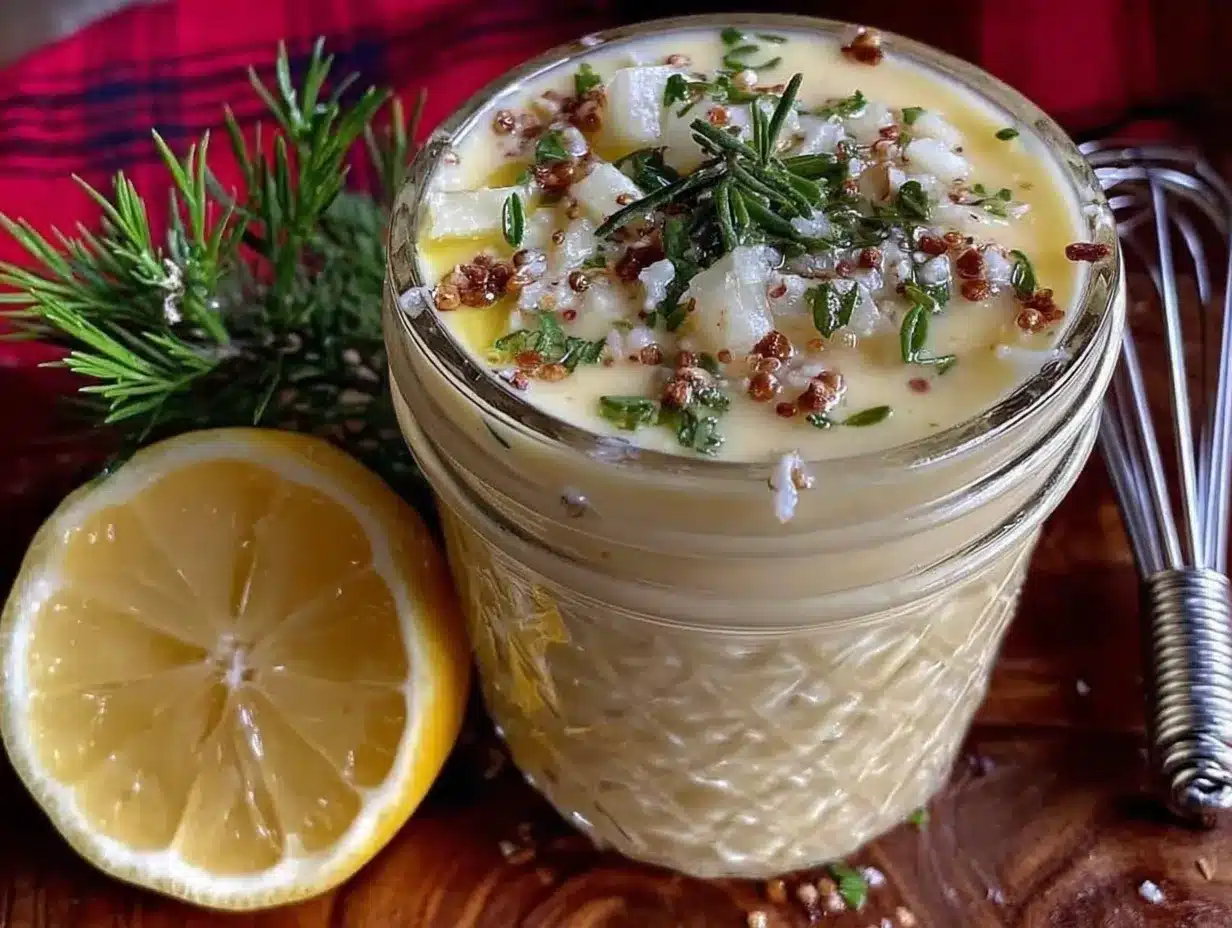
Follow these steps, and you’ll have a perfect vinaigrette in under 5 minutes. I’ve included sensory cues so you know exactly what to look for at each stage.
- Zest and juice your lemon first. Wash the lemon well, then use your microplane to remove the yellow zest—about 1 teaspoon. Be careful not to get the white pith, which is bitter. Cut the lemon in half and juice it into a small bowl. You should have about ¼ cup of juice. (If you’re short, add a splash of water to make up the difference.)
- Combine the honey and mustard in your jar. Add 3 tablespoons of honey and 2 tablespoons of Dijon mustard. The honey might be stubborn, so don’t worry if it doesn’t all come out at once—it will dissolve during shaking. This mixture is the base that will hold everything together.
- Add the lemon juice and zest. Pour in the ¼ cup of lemon juice and the teaspoon of zest. If you’re using garlic, add it now. The mixture will look thin and a little separated—that’s normal. Give it a quick stir with a fork to combine the honey and mustard slightly.
- Season with salt and pepper. Add ½ teaspoon of salt and ¼ teaspoon of freshly ground black pepper. I start with less salt than I think I need—you can always add more later, but you can’t take it out.
- Add the olive oil. Pour in the ½ cup of olive oil. Don’t stir it yet—just let it sit on top. This layering helps the emulsion form properly when you shake.
- Screw the lid on tight and shake vigorously. This is the most important step. Shake for at least 30 seconds, until the dressing looks creamy and pale yellow. You should hear the sound change from a sloshy liquid to a thicker, more cohesive shake. When you open the jar, the dressing should coat the back of a spoon evenly.
- Taste and adjust. Dip a clean spoon in and taste it. Is it too tart? Add a teaspoon more honey. Too sweet? Add a squeeze more lemon. Too oily? A pinch more salt will balance it. I almost always add a tiny bit more salt at this stage—it wakes up all the flavors.
- Let it rest for 5 minutes. This step isn’t strictly necessary, but if you have the time, letting the dressing sit allows the flavors to meld. The garlic mellows, the honey fully dissolves, and the lemon brightens. It’s worth the wait.
One thing I learned the hard way: don’t add the oil first. If you do, the dressing won’t emulsify properly, and you’ll end up with a separated, watery mess. Trust the order—honey and mustard first, then acid, then oil. It works every time.
Cooking Tips & Techniques
Over the years, I’ve made this dressing more times than I can count, and I’ve picked up a few tricks that make a real difference. Here are my best tips:
The Emulsion Secret: The mustard is doing the heavy lifting here, but the temperature of your ingredients matters. If your honey is cold and thick, it won’t dissolve evenly. Warm it slightly—just 10 seconds in the microwave or a few minutes in a bowl of hot water—and your dressing will come together much more smoothly.
Don’t Over-Shake: I know I said shake vigorously, but there’s a limit. If you shake for more than a minute, the emulsion can actually break, especially if your oil is very cold. Stop when the dressing looks creamy—usually around 30 seconds. You’ll see it transform from separate layers to a unified, opaque liquid.
Make It Ahead: This dressing actually gets better after a few hours in the fridge. The flavors meld and mellow, and the garlic loses its raw edge. I often make it the night before I plan to use it. Just remember to take it out 20 minutes before serving and give it a good shake—it will separate as it sits.
My Biggest Failure: I once tried to double the recipe and used a jar that was too small. The dressing exploded everywhere when I shook it—all over my counter, my shirt, and the dog who was watching hopefully nearby. Learn from my mistake: use a jar that’s at least twice the volume of your ingredients. A 16-ounce jar is perfect for a single batch.
Timing Strategy: Make the dressing while your salad ingredients are prepping. It takes less than 5 minutes, and you can let it rest while you wash and chop your greens. This way, everything is ready at the same time.
Variations & Adaptations
This vinaigrette is incredibly versatile. Here are some of my favorite ways to change it up:
- Herb Garden Version: Add 2 tablespoons of finely chopped fresh herbs—chives, parsley, and tarragon are my favorites. Stir them in after shaking so they stay vibrant. This version is incredible on a simple butter lettuce salad.
- Vegan Option: Swap the honey with maple syrup or agave nectar. Maple syrup adds a slightly smokier sweetness that’s lovely with roasted vegetables. Use the same amount—3 tablespoons.
- Spicy Twist: Add ½ teaspoon of red pepper flakes or a small pinch of cayenne pepper before shaking. The heat cuts through the sweetness beautifully and pairs well with peppery arugula.
- Citrus Swap: Use lime juice instead of lemon for a brighter, more tropical flavor. This version is fantastic on a salad with mango and avocado. Reduce the honey to 2 tablespoons since limes are less tart than lemons.
- Creamy Adaptation: Add 2 tablespoons of Greek yogurt or sour cream after shaking. This turns the vinaigrette into a creamy dressing that’s perfect for coleslaw or as a dip for crudités.
I tried the herb version last spring when I had an overabundance of chives from my garden, and it was a revelation. The chives added a gentle onion flavor that made the dressing feel even more seasonal. Now I always make a double batch when herbs are in season.
Serving & Storage Suggestions
This dressing is at its best when served at room temperature. If you’ve stored it in the fridge, take it out about 20 minutes before you plan to use it. Give it a good shake—it will separate as it sits, but one vigorous shake brings it right back together.
For serving, I love this dressing on a simple mix of spring greens, shaved fennel, and toasted pine nuts. It’s also fantastic drizzled over roasted asparagus or grilled artichokes. For a heartier meal, toss it with cooked quinoa, chickpeas, and chopped fresh mint. The possibilities are endless.
To store, keep the dressing in an airtight jar in the refrigerator for up to 2 weeks. The flavors will actually deepen over the first few days, but after a week, the garlic starts to lose its punch. If you add fresh herbs, use the dressing within 3–4 days—the herbs will wilt and turn brown.
For reheating (if you want to use it as a warm dressing), place the jar in a bowl of warm water for 5 minutes, then shake well. Don’t microwave it—the heat can break the emulsion and make it watery.
One thing I love about this dressing is how the flavors develop. On day one, it’s bright and punchy. By day three, it’s mellow and well-rounded. It’s like the dressing gets better with age, just like a good friendship.
Nutritional Information & Benefits
This vinaigrette is a healthier alternative to store-bought dressings, which often contain preservatives, added sugars, and unhealthy oils. Here’s a rough breakdown per 2-tablespoon serving:
- Calories: 120
- Total Fat: 11g
- Saturated Fat: 1.5g
- Carbohydrates: 6g
- Sugar: 5g
- Protein: 0g
- Sodium: 180mg
The key health benefits come from the ingredients themselves. Extra-virgin olive oil is rich in monounsaturated fats and antioxidants, which support heart health. Honey provides natural energy and has antimicrobial properties. Lemon juice is packed with vitamin C, which boosts your immune system—especially welcome during spring allergy season.
This dressing is naturally gluten-free, dairy-free, and vegetarian. For a low-sugar option, reduce the honey to 2 tablespoons—the mustard will still provide plenty of flavor. The only potential allergen is the mustard itself, which is rare but worth noting for sensitive individuals.
I love that this dressing makes me feel good about eating salad. It’s not just about the calories; it’s about knowing exactly what’s in my food. No hidden ingredients, no artificial flavors—just real, wholesome components that work together beautifully.
Conclusion
This Spring Honey Dijon Lemon Vinaigrette is more than just a salad dressing—it’s a little jar of sunshine that makes everything taste better. It’s quick enough for a busy weeknight, elegant enough for a dinner party, and versatile enough to use on everything from greens to grains to grilled vegetables. The recipe came to me through a chance encounter at a farmers’ market, but it’s stayed in my kitchen because it’s simply that good.
I encourage you to make it your own. Adjust the honey to your sweetness preference, swap in different herbs, or add a pinch of spice. The beauty of a simple vinaigrette is that it’s a canvas for your creativity. Don’t be afraid to experiment—you might discover your own perfect version.
I’d love to hear how this dressing works for you. Did you try a variation? Use it on something unexpected? Drop a comment below and share your experience. And if you’re looking for more spring recipes, check out my spring vegetable quinoa salad or roasted asparagus with lemon—they pair perfectly with this vinaigrette. Happy cooking, and here’s to a season of bright, fresh flavors!
Frequently Asked Questions
Can I use a different type of mustard?
You can, but the results will be different. Dijon mustard has a smooth texture and balanced heat that works perfectly for emulsification. Whole-grain mustard will give you a chunkier dressing with visible seeds, and yellow mustard is too sharp and won’t create a stable emulsion. For best results, stick with Dijon.
Why did my dressing separate after sitting in the fridge?
That’s completely normal! The emulsion created by the mustard is strong enough to hold the dressing together at room temperature, but cold temperatures can cause it to break. Simply let it sit at room temperature for 20 minutes and shake it vigorously—it will come right back together.
Can I make this dressing without a jar?
Absolutely. If you don’t have a jar with a tight-fitting lid, you can whisk the dressing in a bowl. Start by whisking the honey, mustard, lemon juice, and seasonings together until smooth. Then, slowly drizzle in the olive oil while whisking constantly. This method takes a bit more effort but works just as well.
How long does this dressing last in the fridge?
Stored in an airtight jar, this dressing will keep well for up to 2 weeks. The flavor is best within the first week, and if you’ve added fresh herbs or garlic, use it within 3–4 days. Always check for any off smells or mold before using—though I’ve never had that happen with this recipe!
Can I use this dressing as a marinade?
Yes, it works beautifully as a marinade for chicken, fish, or tofu. The acidity from the lemon helps tenderize the protein, while the honey adds a lovely caramelization when grilled. Just marinate for 30 minutes to 2 hours—any longer and the acid can start to break down the texture too much.
Pin This Recipe!
Spring Honey Dijon Lemon Vinaigrette: Easy 5-Minute Salad Dressing

This bright, tangy-sweet vinaigrette comes together in just 5 minutes with simple pantry ingredients. It’s the perfect dressing for spring salads, roasted vegetables, or as a marinade.
- Prep Time: 5 minutes
- Cook Time: 0 minutes
- Total Time: 5 minutes
- Yield: 8 servings 1x
- Category: Salad Dressing
- Cuisine: American
Ingredients
- 3 tablespoons honey (mild, runny like clover or orange blossom)
- 2 tablespoons Dijon mustard (Maille or Grey Poupon recommended)
- ¼ cup fresh lemon juice (from about 2 lemons)
- ½ cup extra-virgin olive oil
- 1 teaspoon lemon zest (optional)
- ½ teaspoon fine sea salt (or to taste)
- ¼ teaspoon freshly ground black pepper
- 1 small clove garlic, minced (optional)
Instructions
- Zest and juice your lemon first. Wash the lemon well, then use a microplane to remove about 1 teaspoon of yellow zest. Cut the lemon in half and juice it into a small bowl to get about ¼ cup of juice.
- Combine the honey and mustard in a 16-ounce mason jar or salad dressing shaker.
- Add the lemon juice, lemon zest (if using), and minced garlic (if using). Give it a quick stir with a fork to combine.
- Season with salt and pepper.
- Pour in the olive oil. Do not stir—let it sit on top.
- Screw the lid on tight and shake vigorously for at least 30 seconds, until the dressing looks creamy and pale yellow.
- Taste and adjust: add more honey if too tart, more lemon if too sweet, or more salt if too oily.
- Let the dressing rest for 5 minutes to allow flavors to meld before serving.
Notes
The mustard acts as a natural emulsifier, keeping the dressing creamy for days. For best results, warm honey if crystallized. Let dressing sit at room temperature for 20 minutes before serving if refrigerated. Shake well before each use.
Nutrition
- Serving Size: 2 tablespoons
- Calories: 120
- Sugar: 5
- Sodium: 180
- Fat: 11
- Saturated Fat: 1.5
- Carbohydrates: 6
Keywords: honey dijon vinaigrette, lemon vinaigrette, spring salad dressing, easy vinaigrette, homemade dressing, 5-minute dressing